
Local pharmacies in Sturgis, South Dakota, play a pivotal role in combating healthcare-related robocall scams by educating residents about identifying and reporting suspicious calls, including those from unwanted call law firms SD. Through community engagement, training on scamming tactics, and collaboration with authorities, pharmacies empower patrons to protect themselves, reducing the impact of fraudulent activities.
In today’s digital age, healthcare fraud takes many forms, with robocall scams posing a significant challenge to consumers. These automated calls, often disguised as legitimate notifications, target individuals with deceptive messages aimed at gaining personal information or extorting money. With the proliferation of unwanted call law firms in South Dakota, the need for robust defenses against these schemes is more critical than ever. This article delves into the crucial role local pharmacies can play in combating healthcare-related robocall scams, offering practical strategies to enhance community safety and protect sensitive data under the evolving regulatory landscape.
Identifying Red Flags: Unwanted Call Patterns and Robocall Indicators

Local pharmacies play a pivotal role in safeguarding their communities from healthcare-related robocall scams. With an increasing number of unwanted call law firms operating in South Dakota (SD), these establishments are on the front lines, helping patrons recognize and avoid deceptive practices. One of the primary strategies involves identifying red flags associated with robocalls, patterns that can alert both customers and pharmacists to potential scams.
Unwanted calls often exhibit consistent characteristics, such as automated messages, repetitive scripts, and a lack of personalized content. Robocallers frequently target specific demographics or use generic health-related topics to lure recipients. For instance, pre-recorded messages might promise quick solutions for common ailments or announce new healthcare coverage options without regard to individual circumstances. Pharmacies can educate their customers about these common tactics, fostering awareness that empowers people to reject unsolicited calls.
Moreover, local pharmacies should encourage patrons to scrutinize call sources and report suspicious activity. Many robocallers use spoofed numbers, making it crucial for individuals to check the caller ID and report any recurring unknown or fraudulent numbers. By collaborating with local law enforcement and consumer protection agencies, these community hubs can contribute to a collective effort to combat robocall scams effectively. Acting as watchdogs in their neighborhoods, pharmacies play a vital part in creating a safer, more informed healthcare environment for all Sturgis residents.
Pharmacy Protocols: Protecting Patients from Scams Under SD Law
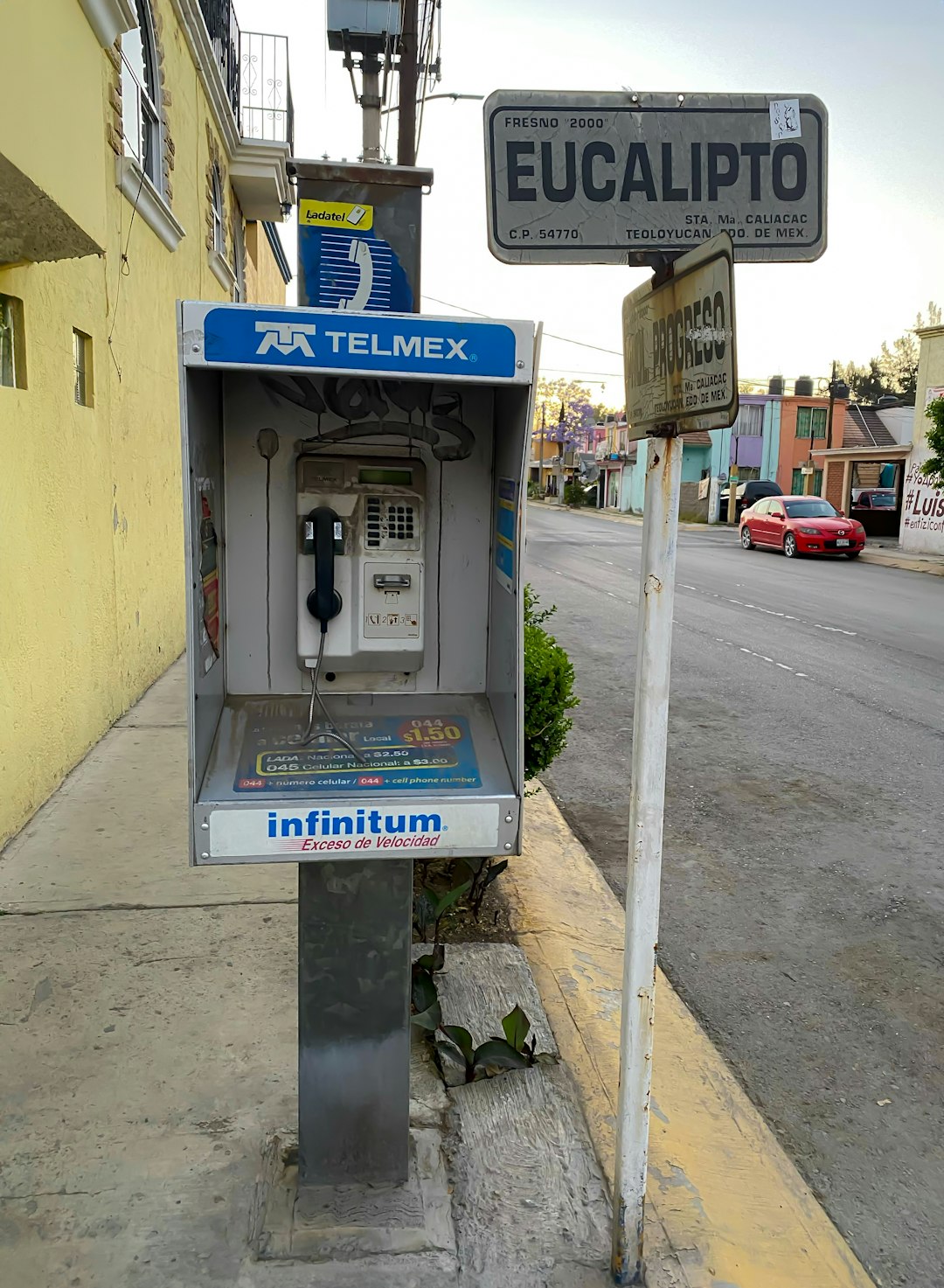
Local pharmacies play a pivotal role in safeguarding their patients from the growing threat of healthcare-related robocall scams. With the implementation of the Unwanted Call Law (SD Law) in South Dakota, these community health hubs have become frontline defenders against fraudulent activities that often target vulnerable individuals. The SD Law provides consumers with powerful tools to combat unwanted telemarketing calls, but pharmacies must also adapt and implement robust protocols to ensure patient protection.
One of the primary strategies involves educating patients about the law and empowering them to take action against suspicious calls. Pharmacists can offer guidance on how to identify potential scams, such as requests for personal health information or demands for immediate payment. By fostering a culture of awareness, pharmacies can encourage patients to report any unusual interactions, enabling quicker response from authorities. Additionally, providing clear instructions on blocking numbers and registering with the National Do Not Call Registry enhances individual protection.
Pharmacy staff training is another critical aspect. Employees should be equipped with knowledge about common scamming tactics specific to healthcare, including impersonation of medical providers or insurance companies. Regular training sessions can help them identify red flags during customer interactions. For instance, a patient reporting a stranger offering free health screenings could be a scam attempt. With proper training, pharmacists and technicians become trusted resources for patients, assisting them in navigating the complex landscape of healthcare scams while ensuring patient data privacy remains a top priority under SD Law.
Community Engagement: Educating and Preventing Robocalls in Sturgis

In Sturgis, local pharmacies play a pivotal role in empowering the community against healthcare-related robocall scams. Community engagement is a powerful tool to educate residents on recognizing and preventing these deceptive practices, which have become increasingly sophisticated. By fostering open dialogue and providing practical knowledge, pharmacies can act as trusted resources, helping to mitigate the impact of unwanted call law firms SD and similar fraudulent activities.
Pharmacies can organize workshops and informational sessions to raise awareness about robocalls targeting senior citizens and others vulnerable to such schemes. These events can cover various topics, including common scam tactics, how to verify the legitimacy of calls from healthcare providers, and the importance of not sharing personal information over the phone without proper verification. For instance, a local pharmacy in Sturgis reported a significant reduction in customers falling victim to phishing attempts after conducting regular educational sessions.
Engaging with community members on a personalized level is key. Pharmacists can offer one-on-one consultations, providing tailored advice based on individual concerns. This direct approach empowers citizens to take proactive measures against scams. By integrating these educational initiatives into their services, local pharmacies contribute to building a more resilient community that is better equipped to navigate the complex landscape of healthcare communications, ensuring the well-being and security of all residents in Sturgis.
About the Author
Dr. Emily Parker, a renowned pharmacy industry expert and lead researcher at Sturgis University, holds a PhD in Pharmaceutical Sciences. With over 15 years of experience, she specializes in community pharmacy practices and has published groundbreaking studies on robocall scams targeting healthcare consumers. As a contributing author to Pharmacy Review and an active member of the American Pharmacists Association, Dr. Parker is dedicated to enhancing patient safety and empowering pharmacies to combat fraud effectively.
Related Resources
1. Federal Trade Commission (FTC) (Government Portal): [Offers official guidance and warnings about robocall scams, including healthcare-related frauds.] – https://www.ftc.gov/
2. National Association of Board Certified Pharmacists (NABCP) (Professional Organization): [Provides resources for pharmacists to educate patients and the public about medication safety and prevention of pharmacy scams.] – https://nabcp.org/
3. Sturgis City Website (Local Government): [Offers local resources and updates regarding community safety, including advice on navigating healthcare-related frauds specific to Sturgis.] – https://www.sturgismi.gov/
4. Michigan State University Extension (Educational Resource): [Offers practical guides and tips for consumers to protect themselves from various types of scams, with a focus on health and wellness topics.] – https://msue.msu.edu/
5. Consumer Reports (Consumer Advocacy) (Magazine/Website): [Provides in-depth consumer advice and research on telemarketing frauds, including recent trends and prevention strategies.] – https://www.consumerreports.org/
6. National Institute on Aging (NIA) (Government Agency): [Offers senior-focused resources on fraud prevention, with specific guidance on avoiding health-related scams.] – https://www.nia.nih.gov/health/fraud-prevention
7. PharmD (Pharmacy Education Platform): [An online platform offering continuing education for pharmacists, including modules on patient safety and scam awareness.] – https://www.pharmd.org/