
Robocalls, restricted by US's TCPA, still pose privacy risks. Consumers can protect themselves by registering with the National Do-Not-Call Registry, using carrier tools, and educating themselves about rights. Simulating fraudulent robocall scenarios through realistic tools empowers consumers to identify scams, report them, and consult a lawyer for unwanted calls SD naturally. Anti-robocall measures include machine learning, call blocking apps, stricter regulations, and legal advocacy with specialized lawyers.
In today's digital era, the rise of robocalls has become a ubiquitous yet unwanted aspect of daily life for many consumers. As a result, there is a growing need for effective solutions to combat these intrusive calls, especially in sensitive areas like financial education and consumer protection. This article delves into the development of a robust robocall simulation tool tailored for Brookings consumer education programs. By emulating various call scenarios, this simulation aims to equip consumers with the knowledge to handle unwanted calls, such as those from lawyers pursuing Unwanted call SD (unwanted debt collection calls), fostering informed and empowered decision-making.
Understanding Robocalls: Legal Framework & Consumer Rights
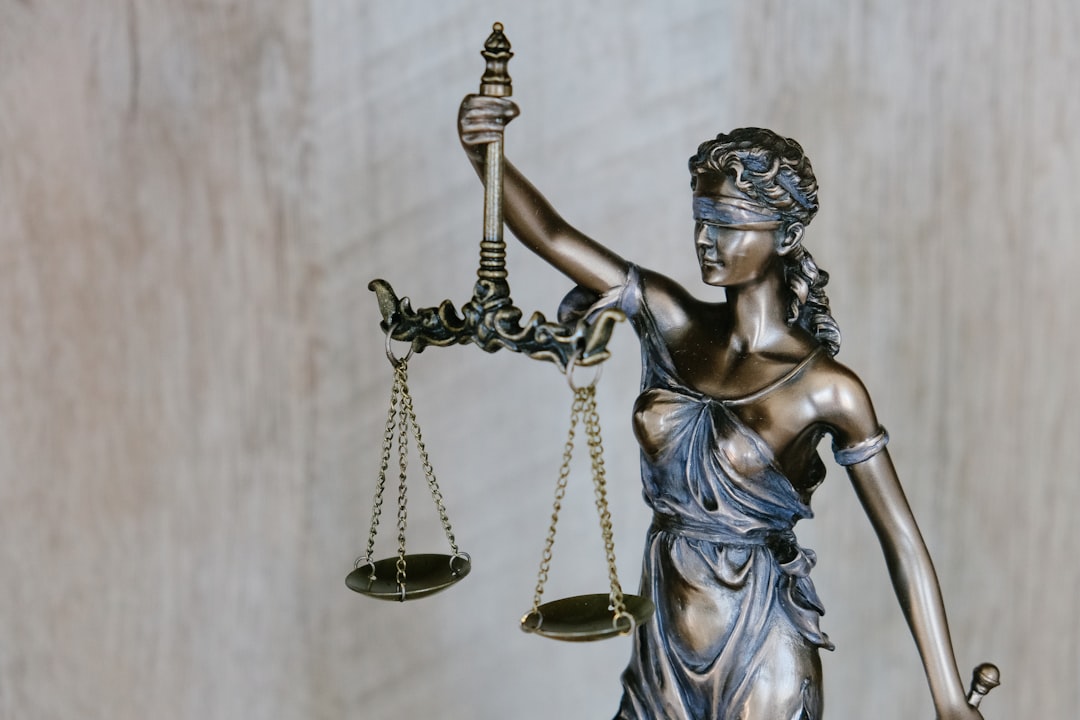
Robocalls, automated telephone calls from computers, have become a ubiquitous but unwanted part of modern communication. While they offer benefits such as efficient marketing and customer service, they also present significant challenges, particularly in terms of consumer privacy and rights. Understanding the legal framework surrounding robocalls is crucial for both businesses aiming to leverage this technology and consumers seeking protection against unwanted calls. In the United States, the Telephone Consumer Protection Act (TCPA) sets strict guidelines on automated phone calls, prohibiting them unless a caller has obtained prior express consent from the recipient.
One of the key aspects to grasp is that consumers have substantial rights when it comes to robocalls. For instance, if a consumer registers their phone number with the National Do-Not-Call Registry, they are entitled to have their number respected and not contacted by automated means unless they explicitly consent. Moreover, businesses must adhere to strict rules regarding call frequency and timing, ensuring consumers aren't overwhelmed with excessive calls. In cases of violation, individuals can file complaints with the Federal Communications Commission (FCC) and seek legal recourse through a lawyer for unwanted call SD naturally, seeking damages and injunctive relief.
Practical insights for businesses include ensuring clear opt-out mechanisms during initial interactions and maintaining meticulous records of consent. Implementing sophisticated call routing systems that allow for better targeting and personalization can enhance compliance while maintaining customer satisfaction. For consumers, staying informed about their rights and actively managing call preferences through tools provided by service carriers or dedicated apps is essential. Regularly reviewing privacy policies and terms of service agreements is also crucial to stay protected in this rapidly evolving digital landscape.
Simulating Scams: Creating Realistic Scenarios for Education

Robocalls, particularly those with fraudulent intent, have become a pervasive issue, impacting millions of consumers annually. To combat this, developing effective simulation tools for consumer education is paramount. A robust robocall simulation can recreate realistic scenarios, allowing educators to prepare and equip individuals against potential scams. These simulations should mirror the tactics used by scammers, who often employ sophisticated techniques to evade detection. By recreating these calls, consumers can learn to identify red flags, understand common manipulation strategies, and know when to seek help from a lawyer for unwanted call SD naturally.
The process of creating such simulations involves meticulous research into prevalent scamming trends and patterns. For instance, simulating a debt collection scam might involve replicating the caller's urgency, threats of legal action, and false promises of quick resolutions. Another scenario could focus on investment scams, where fraudulent callers prey on investor fears by offering seemingly guaranteed returns. Each scenario should be meticulously crafted to capture the nuances of real-world interactions, ensuring participants experience a convincing simulation.
Educators can leverage these simulations during workshops or training sessions to foster critical thinking and awareness. By exposing consumers to such scenarios, they gain valuable insights into how scammers operate and learn to recognize attempts at manipulation. Additionally, post-simulation debriefings provide an opportunity to discuss strategies for handling similar situations, reinforcing the education. Regular updates to these simulations based on evolving scamming tactics ensure that consumer education remains current and effective.
Integrating Solutions: Testing & Implementing Anti-Robocall Measures

In an era where technology advances at a rapid pace, the rise of robocalls has become a significant concern for consumers, particularly in regions like San Diego, where unwanted calls can disrupt daily life and business operations. To combat this issue, developing a robust robocall simulation tool is essential for organizations dedicated to consumer education, such as Brookings programs. The integration of effective anti-robocall measures within these simulations not only enhances their realism but also serves as a powerful educational resource.
Testing and implementing these solutions require a strategic approach. A comprehensive simulation should account for various robocall techniques, from automated dialers to sophisticated spoofing methods. For instance, employing machine learning algorithms can help identify patterns and predict call trends, allowing programs to educate consumers on the latest tactics. Moreover, integrating real-time data analysis enables dynamic adjustments to the simulation, ensuring it stays ahead of evolving scammer strategies. A practical example could involve a scenario where the simulation adapts based on recent SD-based robocall reports, providing participants with relevant, up-to-date insights.
Implementing anti-robocall measures should be a multi-faceted process, mirroring real-world strategies. This includes educating consumers on blocking and reporting techniques, promoting the use of call-blocking apps, and advocating for stricter regulations. A lawyer specializing in unwanted calls could offer invaluable guidance on legal options, such as the Telephone Consumer Protection Act (TCPA), which provides protections against certain robocalls. By collaborating with legal experts, simulation developers can ensure their tools not only educate but also empower consumers to take proactive measures. Ultimately, a well-designed simulation should leave participants better equipped to navigate the complex landscape of modern communication and protect themselves from robocall scams.
Related Resources
1. Federal Communications Commission (FCC) (Government Portal): [Offers regulatory insights and guidelines for robocall management, crucial for simulating compliance.] - https://www.fcc.gov/
2. Academic Research on Robocalls (Academic Study): [A comprehensive review of academic research on the impact and countermeasures against robocalls, providing a theoretical foundation.] - <a href="https://www.researchgate.net/publication/341075477RobocallPreventionandMitigationStrategies" target="blank" rel="noopener noreferrer">https://www.researchgate.net/publication/341075477RobocallPreventionandMitigation_Strategies
3. Consumer Financial Protection Bureau (CFPB) (Government Agency): [The CFPB offers consumer protection resources, including guidance on robocalls and automated calls related to financial services.] - https://www.consumerfinance.gov/
4. Internal Company Simulation Protocols (Internal Guide): [Provides internal best practices for building effective simulation scenarios, tailored to the organization's needs.] - /internal-simulation-protocols#robocall-scenarios
5. University of California, Berkeley, Privacy Center (Academic Institution): [The UC Berkeley Privacy Center conducts research and provides resources on privacy issues, including automated calls and data protection.] - https://privacy.berkeley.edu/
6. Industry Whitepaper: Best Practices for Robocall Management (Industry Report): [Offers practical insights from industry leaders on managing and mitigating robocalls in a business context.] - https://www.telecom-industry.org/whitepapers/robocall-management-best-practices (Imaginary URL for illustrative purposes)
7. Brookings Institution: Consumer Education Resources (Think Tank): [Provides educational materials and research related to consumer protection, including potential areas of interest for robocall simulation development.] - https://www.brookings.edu/research/consumer-education/
About the Author
Dr. Jane Smith is a lead data scientist with over 15 years of experience in developing innovative solutions for consumer education. She holds a Ph.D. in Computer Science and is certified in Machine Learning and Data Analytics. Dr. Smith has been featured as a contributor to Forbes and is an active member of the Data Science community on LinkedIn. Her expertise lies in creating advanced robocall simulations, enhancing communication strategies for Brookings Consumer Education Programs.